Tuesday, March 11, 2014

Acceleration From Graphs

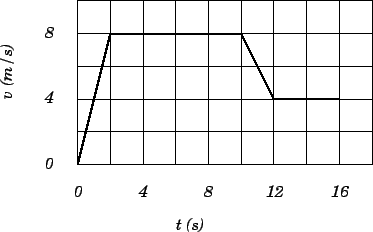
We need to figure out the acceleration during each section of the graph

Graph A


  1. What is the acceleration between t=0 and t = 2
  2. What is the acceleration between t=2 and t=10
  3. What is the acceleration between t=10 and t=12
  4. What is the acceleration between t=12 and t=16


Graph B


  1. What is the acceleration between t=0 and t=10?
  2. What is the acceleration between t=10 and t=15?
  3. What is the acceleration between t=15 and t=40?
  4. What is the acceleration between t=40 and t=55?

Graph C


Saturday, March 8, 2014

Relationships Test Questions

  1. Desert mistletoe is a shrub plant that produces red berries, which are eaten by birds. The hard seeds in the fruit then pass through the bird and are left on the branch of a tree to grow.  There, the mistletoe can sprout and grow its roots inside of a host tree, where it steals water and nutrients from the tree through its roots.  Which of the following best describes the relationships that mistletoe has with these two organisms, the bird and the tree?

a. mutualism with the bird; mutualism with the tree
b. mutualism with the bird; parasitism with the tree
c. commensalism with the bird; mutualism with the three
d. parasitism with the bird; parasitism with the tree


  1. In the 1930s, farmers brought a plant species called buffelgrass from South Africa to the southwestern United States. They did so to reduce erosion rates and provide food for livestock. buffelgrass thrived and spread throughout the southwest, particularly in Arizona. How is the relationship between buffelgrass and other plant species best categorized?

a. native – non-native                          b. parasitism
c. commensalisms                               d. predator-prey

  1. In a desert environment, cactus wrens often build their nests in cholla cactus to avoid predators. This behavior does not hurt the cactus. Which type of relationship do cactus wrens and cholla cactus demonstrate?

a. native – non-native                          b. parasitism
c. commensalism                                d. competition
e. mutualism


  1. Although Hyenas are shown in movies as cowards, they are actually ferocious hunters. Lions often wait for hyenas to kill their prey, such as zebra, and then scare them off and claim the zebra for themselves. What relationship is this an example of?   

a. native – non-native                          b. parasitism
c. commensalisms                               d. competition
e. mutualism


  1. On your answer sheet come up with your own example of a symbiotic relationship. Label the type of relationship and the organisms involved.

Adaptations Practice

Take this test:

http://www.softschools.com/quizzes/biology/animal_adaptations/quiz521.html


Relationships Practice

11. Around South Mountain, there are many mountain lions that feed on the rabbits for survival. This type of relationship is what kind of symbiosis?
a.     parasitism
b.    commensalism
c.     predator/prey
d.    mutualism

12. A lion and hyena both eat rabbits for energy and food.  What type of relationship exists between the lion and the hyena?
a.     parasitism
b.    commensalism
c.     predator/prey
d.    competition

13. What relationship would the zebra and hyena demonstrate?
a.     parasitism
b.    commensalism
c.     predator/prey
d.    competition

14. Oxpecker bird and zebra: The bird eats ticks and other harmful bugs from the zebra.  In return, the zebra gives the oxpecker protection
a. What type of relationship?    ______________________________________________
b. How do you know? __________________________________________________________________

15. Ocean fish and giant jellyfish: The ocean fish live underneath the jellyfish for protection.  The jellyfish is neither helped nor harmed by these fish.
a. What type of relationship?    ______________________________________________
b. How do you know? __________________________________________________________________
16. Clownfish live among the venomous tentacles of a sea anemone. They are
protected from predators, and they keep the sea anemone clean.
a. What type of relationship?    ______________________________________________
b. How do you know? __________________________________________________________________
17. Barnacles attach themselves to the shells of crabs. The barnacles receive a
home. The crab is unaffected.
a. What type of relationship?    ______________________________________________
b. How do you know? __________________________________________________________________
18. Bees use flower nectar for food, and they carry flower pollen to other flowers,
allowing the flower to reproduce.
a. What type of relationship?    ______________________________________________
b. How do you know? __________________________________________________________________
19. Dutch elm disease is caused by a fungus that grows and feeds on elm trees.
The fungus destroys the trees.
a. What type of relationship?    ______________________________________________
b. How do you know? __________________________________________________________________
20. Orchids grow in tree branches. They receive light, and their roots get water
from the air. The tree is not affected.

a. What type of relationship?    ______________________________________________

Monday, February 24, 2014

Take a break from testing!.............and look at weird old pictures of me before I was this old

Already bossing people around.....little did I know I would be a teacher one day...........


Hungry......always..


Shortly after this photo I told my sister that Santa wasn't real. 


Almost had a beard right out of the womb. Thankfully I'm much better looking now. 


I can't believe my parents made us wear those ridiculous sweaters. 

Tuesday, February 18, 2014

Peer Evaluations

Teamwork is important in science, no scientists discovers anything completely on their own.

Please take a moment to honestly grade your partner on their performance on your science fair project.


Go here ---->>>>  https://docs.google.com/forms/d/1LvVl3ehyfdZLD8di6RrKdp7NIncQ_STZ4XnfIdgT1tA/viewform